

Understanding Eye Care: Why Finding the Best Ophthalmologist Near Me Matters
Your vision is undoubtedly one of your most precious physical senses, playing an essential role in how you interact with the world, perform daily tasks, and maintain your overall quality of life. However, maintaining pristine ocular health requires far more than occasionally updating a lens prescription or wearing protective sunglasses on bright sunny days. When dealing with complex visual disturbances, chronic eye conditions, or surgical interventions, searching for the best ophthalmologist near me is one of the most critical steps you can take for long-term vision preservation. An ophthalmologist is a licensed medical doctor (MD or DO) who has completed rigorous medical school, specialized internships, and years of residency training focused exclusively on the diagnosis, management, and surgical treatment of eye disorders. Unlike other vision care providers, an ophthalmologist possesses the full medical authority to perform intricate eye surgeries, prescribe medical therapy, and manage severe systemic conditions that manifest within the delicate structures of the eye.
To make informed healthcare decisions, it is crucial to understand the fundamental distinctions between the different types of eye care professionals working in the field today. While optometrists are highly skilled primary vision care providers who handle vision tests, standard refractions, and the diagnosis of common eye conditions, they are not medical surgeons. Opticians, on the other hand, are technicians trained to fit and dispense corrective eyeglasses and contact lenses based on prescriptions written by doctors. An ophthalmologist bridges the gap between primary care and advanced medical surgery, treating complex diseases such as cataracts, advanced glaucoma, macular degeneration, and diabetic eye disease. Because these conditions can develop silently without presenting obvious early symptoms, establishing care with a qualified eye specialist ensures that progressive ocular diseases are detected and managed before irreversible visual impairment occurs.
Choosing to consult a specialist is not merely a reactive measure for when vision problems become severe; it is a proactive strategy to safeguard your health across every stage of life. Modern ophthalmology incorporates state-of-the-art diagnostic technology, ranging from high-definition optical coherence tomography (OCT) to advanced laser systems designed to reshape ocular tissue with extreme precision. Whether you are seeking preventive screenings, exploring laser vision correction options like LASIK, or managing age-related ocular transformations, having direct access to an expert clinician ensures personalized care pathways. Investing time to locate a reputable specialist within your local area ensures that emergency interventions, routine follow-ups, and surgical procedures are convenient, stress-free, and executed according to the highest global standards of clinical care.
Essential Qualifications and Credentials to Look For in an Eye Specialist
When evaluating potential healthcare providers for your vision, reviewing professional qualifications and credentials is an absolute prerequisite. A top-tier ophthalmologist must hold a degree from an accredited medical school followed by an intensive residency program in ophthalmology at a recognized university hospital. Many leading eye specialists choose to undertake additional fellowship training—lasting one to two extra years—to specialize in sub-fields such as vitreoretinal surgery, cornea and external disease, pediatric ophthalmology, or neuro-ophthalmology. Verifying that a physician is board-certified by an authoritative medical board guarantees that they have passed rigorous clinical examinations, maintained continuing medical education credits, and continuously adhere to updated medical practices and surgical protocols within their field.
Beyond academic titles and certifications, surgical volume and practical experience play a decisive role in determining the quality of care you will receive. Eye surgeries, such as phacoemulsification for cataract removal or micro-invasive glaucoma surgery (MIGS), demand an extraordinarily high degree of microsurgical skill and dexterity. Doctors who regularly perform these delicate procedures tend to achieve lower complication rates and superior visual outcomes for their patients. When reviewing practitioner profiles, inquire about the specific technologies utilized in their surgical suites, such as femtosecond lasers or advanced intraocular lens calculation equipment. Clinicians who invest in continuous technological upgrades demonstrate a clear commitment to delivering safer, more precise, and highly efficient clinical outcomes for every patient they treat.
When you begin searching for the best ophthalmologist near me, evaluating verified patient feedback and institutional affiliations provides essential clarity regarding a doctor’s reputation. Researching real-world patient experience scores on established digital health portals gives you clear insights into bedside manner, appointment punctuality, clinic cleanliness, and staff professionalism. High-performing specialists are typically affiliated with reputed regional hospitals, academic medical centers, or specialized eye institutes that maintain strict accreditation guidelines. To gain deeper insights into overall ocular health, reading informative resources on comprehensive vision evaluations can help you understand what clinical standards to expect during your initial consultation. Aligning yourself with a respected doctor ensures access to comprehensive emergency support and multidisciplinary medical networks whenever specialized care is required.
Key Signs and Conditions That Require an Ophthalmologist Visit
Recognizing when a subtle vision issue requires immediate evaluation by a specialized doctor can make the difference between preserving your sight and experiencing permanent vision loss. While routine blurred vision can often be addressed with corrective lenses, acute symptoms demand urgent medical attention. If you suddenly notice an abrupt increase in floaters, vivid flashes of light in your field of vision, or the sensation of a dark curtain descending over your eyes, you must seek immediate care, as these are classic signs of retinal detachment or retinal tears. Similarly, severe eye pain accompanied by redness, nausea, halos around light sources, or sudden peripheral vision narrowing may indicate acute angle-closure glaucoma, an ocular emergency requiring prompt pressure-relieving medical intervention.
Systemic health conditions outside the ocular system also warrant close, ongoing monitoring by an experienced eye doctor. Individuals diagnosed with diabetes mellitus, hypertension, or systemic autoimmune disorders like rheumatoid arthritis and lupus face a heightened risk of developing secondary eye complications. Diabetic retinopathy, for instance, occurs when chronically elevated blood sugar levels damage the tiny blood vessels in the retina, leading to leakage, swelling, and potential blindness if left untreated. Regular retina examinations performed by an ophthalmologist can spot early vascular changes long before noticeable visual loss occurs, enabling timely medical treatments such as intraocular injections or laser therapy to preserve visual acuity.
Age-related degenerative conditions represent another primary reason individuals seek out specialized ophthalmic care as they grow older. Age-related macular degeneration (AMD) impacts the central area of the retina, making everyday tasks like reading, driving, and recognizing faces increasingly difficult. Cataracts, characterized by the progressive clouding of the eye’s natural crystalline lens, affect a vast majority of seniors, causing double vision, severe glare, and faded color perception. Furthermore, severe dry eye syndrome, corneal dystrophies, and chronic uveitis require comprehensive diagnosis and tailored therapeutic regimens. Consulting a skilled physician ensures that age-related changes are proactively managed using advanced pharmaceuticals, specialized eye drops, or modern surgical techniques.
How to Research and Choose the Best Ophthalmologist Near Me
Finding the ideal specialist within your local area requires a structured, multi-step approach that combines digital research, personal recommendations, and objective credential verification. Start by utilizing verified healthcare search engines, medical registry databases, and online doctor discovery platforms that allow you to filter practitioners by geographic proximity, insurance coverage, sub-specialty, and patient ratings. Reading detailed patient reviews provides valuable context regarding the administrative efficiency of the clinic, the clarity of the doctor’s communication, and overall patient satisfaction. Additionally, asking your primary care physician or trusted family members for personal referrals often leads to finding experienced, reliable doctors who have a proven track record of successful outcomes.
Practical considerations such as clinic location, operating hours, emergency availability, and financial transparency are equally critical during your decision-making process. Efficiently finding the best ophthalmologist near me involves balancing quality medical care with logistically convenient clinic locations, ensuring that multi-visit treatment plans or post-operative check-ups do not become an unmanageable burden. Reviewing consultation fees, diagnostic test charges, and insurance co-pay structures ahead of time prevents unexpected financial friction. A modern, patient-focused clinic should offer transparent pricing, flexible appointment scheduling options, and robust digital portals where patients can securely review test results, request prescription refills, and communicate with clinical staff.
The initial consultation serves as an important opportunity to assess whether a practitioner’s communication style aligns with your personal preferences and health needs. A superior doctor will take the necessary time to listen attentively to your symptoms, explain complex medical concepts in accessible terms, and present a clear, evidence-based treatment plan. They should willingly answer your questions regarding potential side effects, recovery timelines, surgical risks, and alternative therapy choices without making you feel rushed. Building a strong foundation of mutual trust and open communication with your specialist empowers you to take an active, confident role in managing your vision care over the long term.
What to Expect During Your Initial Consultation with a Top Eye Doctor
Attending your first comprehensive eye exam with an ophthalmologist is a detailed, multi-faceted process designed to thoroughly assess both your visual sharpness and internal ocular structures. The assessment typically begins with a comprehensive review of your personal medical history, family health history, current medications, and any specific visual complaints you are experiencing. Following this, preliminary tests evaluate your visual acuity using standard eye charts, examine peripheral vision, measure eye muscle coordination, and assess pupil responsiveness to light. You will also undergo tonometry, a painless procedure that measures your intraocular pressure to screen for hidden signs of glaucoma.
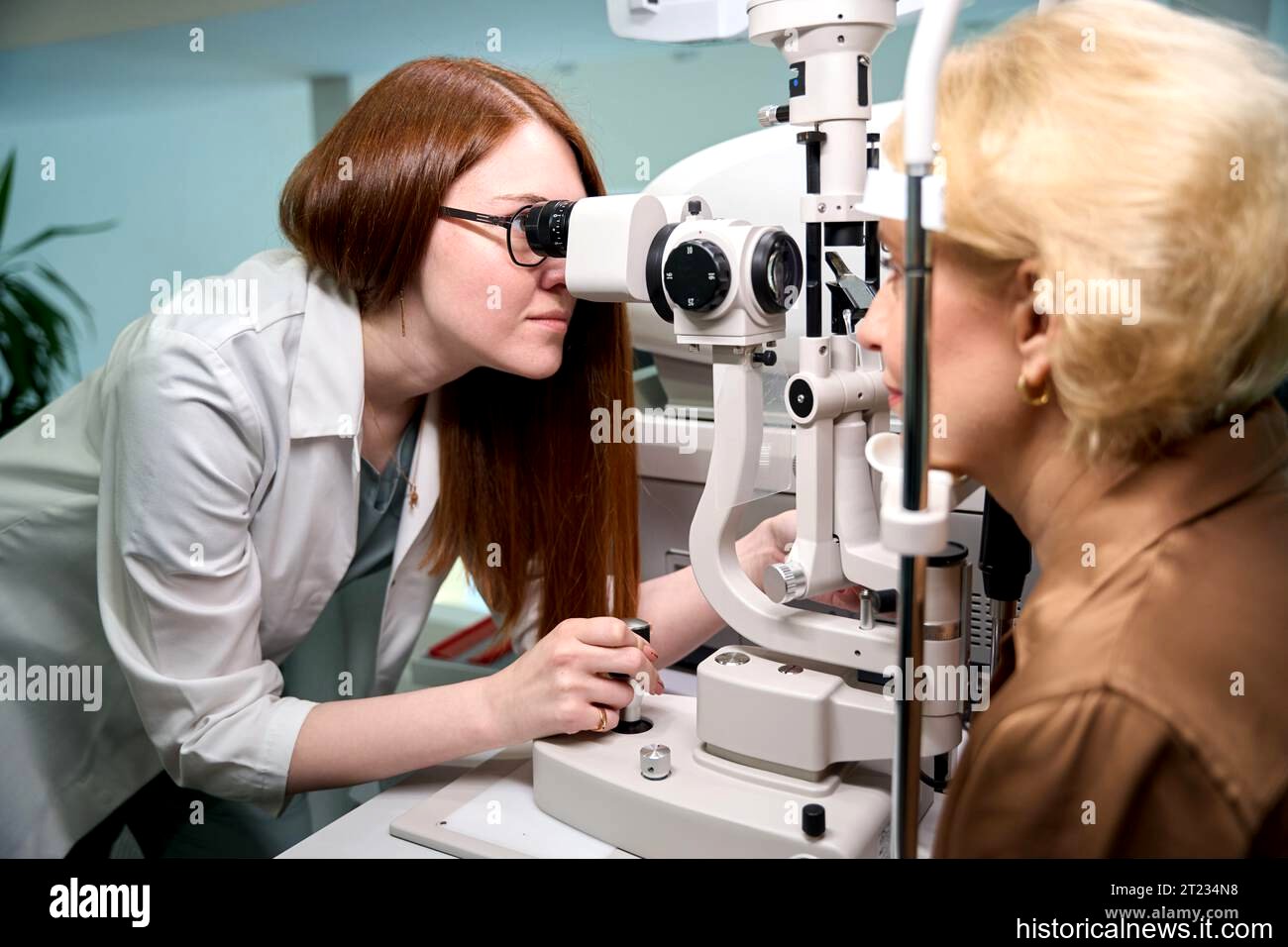
A critical component of a comprehensive ophthalmic exam involves pupil dilation, where specialized eye drops are administered to enlarge your pupils. Dilation allows the doctor to inspect the internal structures of your eyes—including the optic nerve, retina, macula, and blood vessels—using high-magnification slit-lamp bio-microscopes and ophthalmoscopes. If specific abnormalities are suspected, advanced diagnostic imaging such as Optical Coherence Tomography (OCT) or corneal topography may be conducted during the same visit. Just as people prioritize routine personal care and local service searches—such as finding the best barbers near me for regular grooming—scheduling consistent medical appointments ensures every aspect of your physical health remains fully optimized.
Once all diagnostic tests and physical examinations are completed, your specialist will sit down with you to explain their findings in detail and formulate a personalized treatment strategy. If corrective lenses or medication drops are required, prescriptions will be issued immediately; if surgical intervention is recommended, the physician will outline the procedure, explain pre-operative requirements, and discuss expected recovery timelines. You will also receive valuable advice on preventative eye care, lifestyle adjustments, nutritional supplements for ocular health, and recommendations on how frequently you should schedule follow-up examinations to protect your sight.
Taking the Final Step: Booking Your Appointment for Optimal Eye Health
Preparing thoroughly for your upcoming appointment ensures that you maximize the value of your time with your specialist. Before heading to the clinic, assemble a clear record of your personal medical history, including past surgeries, existing chronic conditions, and a full list of all prescription medications, over-the-counter drugs, and dietary supplements you currently take. If you wear glasses or contact lenses, bring them along with your current prescription details. Additionally, jot down a written list of specific questions or visual changes you want to discuss so that no important detail is overlooked during your appointment consultation.
Because comprehensive eye examinations frequently involve pupil dilation, it is wise to plan your transportation and post-exam care accordingly. Dilated pupils cause temporary light sensitivity and blurred near vision that can persist for several hours, making driving potentially unsafe immediately following your appointment. Bringing a pair of dark sunglasses to protect your eyes from bright outdoor sunlight and arranging for a family member or friend to drive you home ensures your safety and comfort. Continuously partnering with the best ophthalmologist near me ensures that minor visual changes are recognized and treated long before they evolve into complex visual impairments.
Prioritizing your ocular health is a lifelong commitment that yields significant dividends in your overall well-being, personal independence, and daily productivity. By choosing a highly qualified, experienced, and patient-centered eye care specialist, you place your sight in expert hands equipped with advanced medical technology and cutting-edge surgical techniques. Do not delay addressing changes in your vision or skipping recommended routine check-ups. Take action today by researching top-rated local specialists, scheduling a comprehensive baseline consultation, and taking proactive control of your clear vision for years to come.
