

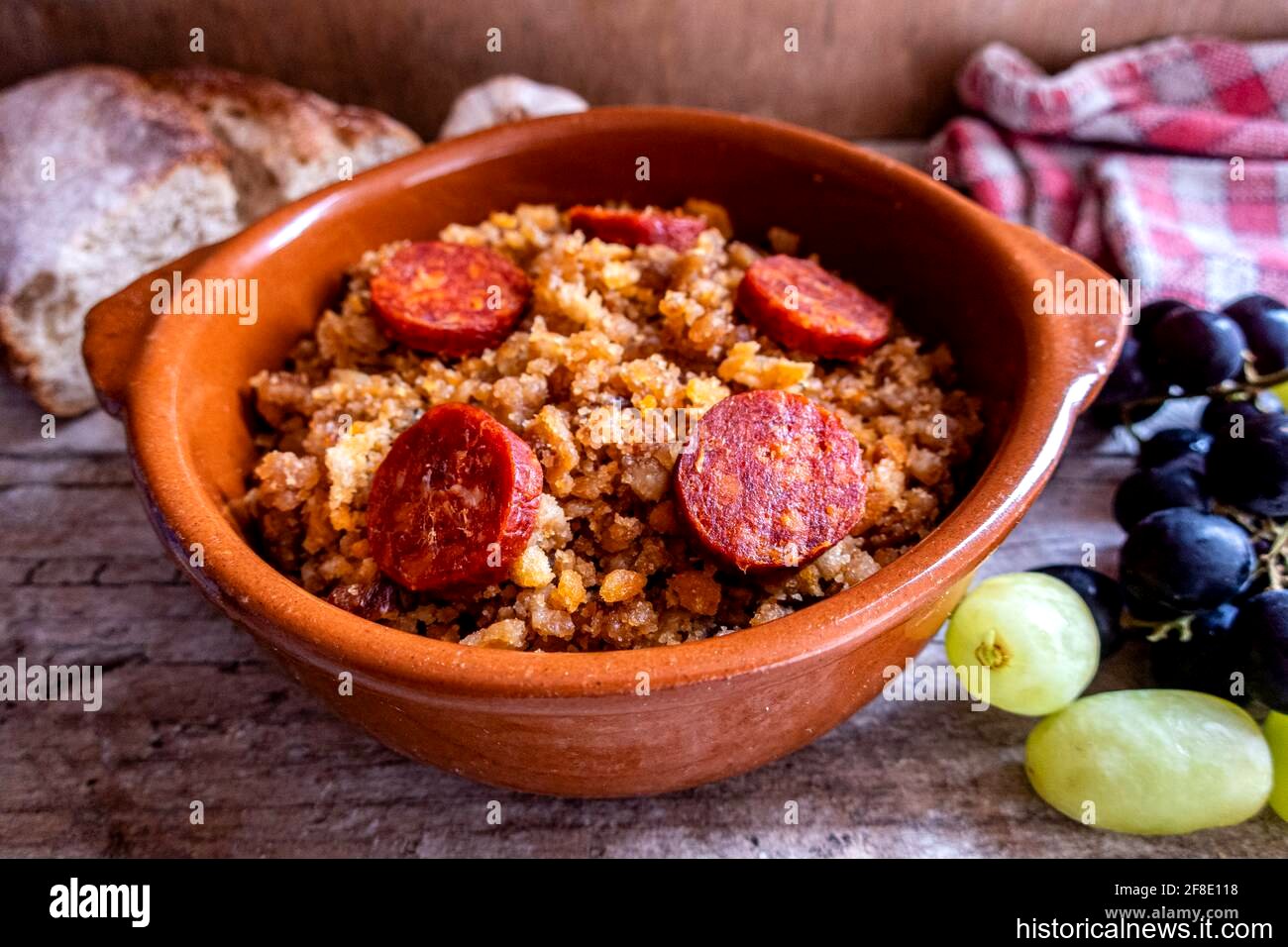
The Timeless Appeal of Migas Manchegas
Originating from the sun-drenched plains of Castilla-La Mancha in central Spain, Migas Manchegas is one of the most celebrated rustic masterpieces in European culinary history. What began centuries ago as a humble, high-energy breakfast crafted by transhumant shepherds needing sustenance during long journeys across the countryside has evolved into a beloved national treasure. At its heart, this comfort dish transforms simple, stale artisan bread into a glorious medley of rich flavors, sizzling fats, and sweet aromatic spices. Today, epicureans and casual food lovers alike frequently search for the best migas manchegas near me to experience this magical synthesis of crispy breadcrumbs, garlic, and cured Spanish meats without having to fly directly to Madrid or Toledo.
The magic of authentic Migas Manchegas lies in its remarkable balance of textures and complex flavor contrasts. Stale white bread is carefully sprinkled with lightly salted water, wrapped in a damp cloth, and left to rest overnight so that it absorbs just enough moisture to become tender without turning mushy. When rendered in a deep skillet with garlic, olive oil, and cured pork fats, the hydrated crumbs crisp up to a radiant golden hue while retaining a soft, pillowy interior. Diners who actively track down the best migas manchegas near me are often astounded by how such straightforward, historical shepherd fare delivers an exquisite tapestry of smoky, savory, and sweet notes in every bite.
Over the decades, as food culture has embraced nose-to-tail philosophy and zero-waste traditional cooking, Spanish regional specialties have achieved global acclaim. According to culinary archives and guidebooks on traditional Spanish appetizers, the secret to unforgettable migas lies in honoring ancient techniques while using premium ingredients. Understanding the history behind this Castilian classic enhances the dining experience, transforming a simple meal into an immersive cultural journey through Spain’s storied gastronomic heritage.
Key Ingredients That Define Authentic Migas Manchegas
What separates a mediocre modern attempt from a truly extraordinary rendition of Migas Manchegas? The answer begins almost entirely with the choice of bread. Traditional Castilian cooks insist on using dense, close-crumbed white bread known as pan de candeal or a high-quality rustic sourdough that has aged for two or three days. Standard modern sandwich bread or light baguettes simply collapse and disintegrate under heat, whereas proper rustic loaves hold their structural integrity against extra virgin olive oil and animal fats. When evaluating local options for the best migas manchegas near me, always inquire whether the kitchen utilizes traditional artisan bread or commercial loaves.
Beyond the structural base of bread, high-grade cured pork products supply the deep savory backbone of the dish. Spicy and sweet Spanish chorizo manchego, cured pork belly (panceta), and aged jamón serrano are slowly rendered in a heavy cast-iron pan. As the fats melt into the pan, whole unpeeled garlic cloves are added, releasing an earthy aroma that perfumes the oil base before any bread touches the skillet. A generous sprinkle of sweet smoked paprika—specifically Pimentón de la Vera—infuses the rendered fat with a vibrant coral tint and a warm, woody essence that elevates the dish to transcendent heights.
Another non-negotiable hallmark of traditional Migas Manchegas is the bold addition of sweet garnishes to contrast the heavy, salty elements. Traditional Spanish taverns serve the piping hot skillet accompanied by crisp white seedless grapes, juicy pomegranate arils, or fresh melon slices. This surprising pairing of sizzling, savory breadcrumbs and cool, bursting fruit cleanses the palate and cuts through the richness of the pork. Gastropubs that respect these age-old garnishes are almost guaranteed to deliver when you are hunting down the best migas manchegas near me for dinner.
How Spanish Taverns and Bodegas Prepare the Dish
In traditional Spanish kitchens, preparing Migas Manchegas is treated as a rhythmic performance requiring patience, skill, and continuous manual labor. The chef starts by frying the cured meats and garlic until golden and crisp, removing them briefly from the pan while leaving the seasoned oils behind. The damp, hydrated bread crumbs are then introduced to the red-hot skillet. The cook must continuously stir and toss the bread using a large wooden spoon—a process known as remover—ensuring every individual crumb absorbs the red paprika-stained oil and browns evenly without scorching or clumping together.
Once the bread crumbs reach a perfectly uniform golden crispness, the cooked chorizo, pancetta, and garlic are folded back into the pan so the flavors meld together harmoniously. To complete the presentation, many traditional bodegas top the sizzling skillet with a crisp, olive-oil-fried egg with lacy edges (huevo puntilloso). When the diner breaks the rich yolk, it cascades down into the spiced breadcrumbs, creating a luxurious sauce that binds all the ingredients into an unforgettable comfort meal that satisfies both body and soul.
The atmospheric experience of enjoying Migas Manchegas in an authentic tavern enhances its flavor tenfold. Rustic wooden tables, hanging aged hams, terracotta cazuela serving dishes, and the clinking of wine glasses create a welcoming environment. Migas is inherently a social meal designed for sharing among family and friends over long conversations. Seeking out establishments that maintain this warm, traditional tavern atmosphere ensures that your quest for authentic Castilian cuisine feels like a true escape to central Spain.
Pairing Migas Manchegas with Fine Wines and Local Experiences
No traditional Spanish meal is complete without a carefully selected beverage pairing that complements the bold, savory profile of the food. Given the earthy garlic, rich pork fats, and sweet paprika in Migas Manchegas, medium-bodied red wines from the Castilla-La Mancha region make an ideal match. A vibrant Tempranillo or a rich Valdepeñas offers moderate tannins and ripe berry flavors that easily slice through the savory richness of the cured meats while harmonizing with the sweet grapes served alongside the dish.
If you prefer white or sparkling wines, crisp selections offer an equally refreshing contrast to the robust meal. A chilled glass of dry Cava or a zesty, mineral-forward Spanish white wine like Airén cleanses the palate after every savory bite, keeping your appetite refreshed throughout the meal. Many diners like to turn their search for authentic regional cuisine into a complete weekend outing. After tackling your weekly routine and checking off necessary local tasks like finding the best laundromat near me to get your clothes pristine, unwinding at a cozy tapas bar with a warm skillet of migas and a glass of Tempranillo provides the ultimate relaxing reward.
To turn your meal into a full Castilian feast, pair your skillet of migas with classic Spanish small plates. Tapas like roasted piquillo peppers, marinated manchego cheese wedges, and warm garlic shrimp (gambas al ajillo) complement the textures of fried breadcrumbs without overwhelming the main event. Finishing the dining experience with a shot of strong espresso (café cortado) or a silky slice of Spanish flan completes a memorable culinary celebration that lingers on your mind long after the table is cleared.
How to Spot an Authentic Spanish Restaurant Near You
When searching online for the best migas manchegas near me, distinguishing between genuine Spanish dining spots and tourist-oriented chain restaurants requires a keen eye for menu details. Authentic establishments take pride in sourcing imported ingredients directly from Spain, explicitly listing items like Jamón Serrano, Pimentón de la Vera, and Manchego cheese on their menus. If a restaurant’s menu uses vague terms or shortcut ingredients, it may indicate a modernized adaptation rather than a faithful Castilian recipe.
Customer feedback and food presentation photos provide invaluable clues when evaluating prospective dining destinations. Look for images showing migas served hot inside traditional clay terracotta dishes (cazuelas de barro) rather than standard flat white porcelain plates. The breadcrumbs should appear distinct, golden, and lightly crisped—never dark brown, soggy, or swimming in liquid oil. Real diners frequently comment on the aroma of fried garlic, the crispness of the pork belly, and the freshness of the grape garnishes in their online reviews.
Additionally, pay attention to seasonal menu offerings and kitchen preparation methods. While top-tier tapas bars serve migas year-round due to high customer demand, the dish historically shines during cold autumn and winter months, as well as rainy days. Restaurants that prepare their migas fresh to order in small batches—rather than reheating pre-made mix in a microwave—are always worth seeking out. A quick call to the kitchen to ask about their preparation method can save you from disappointment and guarantee a spectacular culinary evening.
Making Migas Manchegas at Home vs. Dining Out
For adventurous home cooks, recreating Migas Manchegas in your own kitchen is a deeply rewarding culinary experiment. The primary challenge lies in mastering moisture management: wetting stale sourdough crumbs just enough so they steam inside while remaining separate, then frying them in quality extra virgin olive oil until crunchy on the outside. While making it at home allows you to adjust the ratio of chorizo, garlic, and paprika to your personal taste, achieving the smoky cast-iron skillet char produced by commercial tapas kitchens requires practice and high heat control.
Dining out, on the other hand, allows you to enjoy the dish prepared by experienced chefs who have mastered the art of remover over years of service. Restaurant kitchens utilize dedicated heavy cookware and high-Btu burners that impart an authentic, subtle smokiness impossible to replicate on standard home stovetops. Furthermore, ordering migas at a top-rated local bodega allows you to enjoy the full Spanish cultural package—complete with professional wine pairings, vibrant ambiance, and zero kitchen clean-up.
Whether you choose to test your skills at home or embark on a dining adventure across town, searching for the best migas manchegas near me opens the door to one of Spain’s most iconic and soul-satisfying comfort foods. Gather your close friends, order a pitcher of sangria or a bottle of aged Tempranillo, and dive into a sizzling skillet of golden breadcrumbs, savory pork, and sweet grapes. Once you experience authentic Castilian migas, this humble shepherd’s feast will undoubtedly become a regular staple in your dining out routine.
