

The Origins of Bollos Pelones: A Traditional Venezuelan Dish
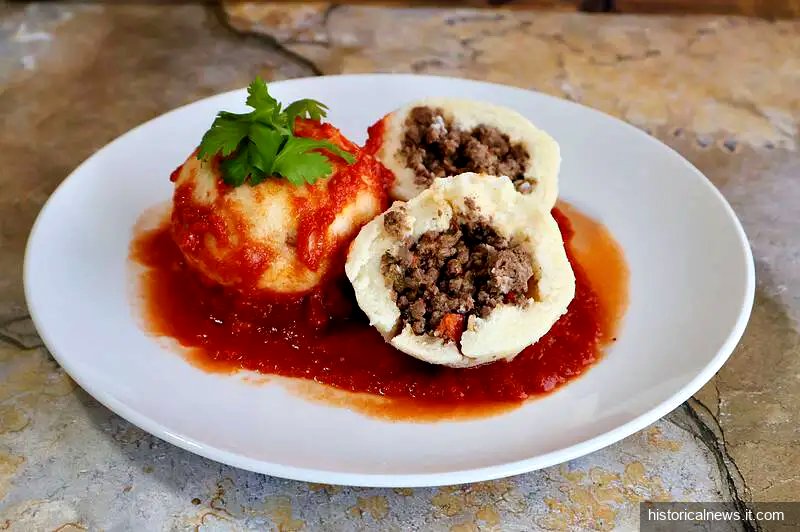
Bollos pelones, also known as Venezuelan cornmeal dumplings, are a traditional dish that originated in the country of Venezuela. The name ‘bollos pelones’ translates to ‘naked doughballs’ in Spanish, which refers to the fact that these dumplings are made with a simple cornmeal dough that is not covered with any additional ingredients. However, when served with a rich tomato sauce and filled with seasoned ground beef, olives, and capers, bollos pelones become a truly satisfying and comforting meal.
The dish is believed to have originated in the Andean region of Venezuela, where cornmeal was a staple ingredient in many traditional recipes. The cornmeal was often mixed with water to create a dough that was then shaped into small balls and cooked in a pot of boiling water. The resulting dumplings were tender and flavorful, and were often served with a variety of sauces and fillings.
One of the key characteristics of bollos pelones is its unique texture. The cornmeal dough is coarsely ground, which gives the dumplings a slightly crunchy exterior and a soft, fluffy interior. This texture is achieved by using a special type of cornmeal that is high in fiber and has a coarser grind than regular cornmeal.
In addition to its unique texture, bollos pelones are also known for its rich and flavorful sauce. The sauce is made with a variety of ingredients, including tomatoes, onions, garlic, and spices, which are cooked together in a pot until they reach a thick and creamy consistency. The sauce is then served over the bollos pelones, adding a burst of flavor and moisture to each bite.
A Brief History of Bollos Pelones
Bollos pelones have a long and rich history that dates back to the colonial era in Venezuela. The dish was originally made by indigenous people who used cornmeal as a staple ingredient in many of their traditional recipes. Over time, the dish was adopted by Spanish colonizers, who introduced new ingredients and cooking techniques that further developed the dish.
Today, bollos pelones is a beloved dish throughout Venezuela, and is often served at family gatherings and special occasions. The dish is also popular in other countries, including the United States, where it is often served in Latin American restaurants and cooking classes.
Despite its popularity, bollos pelones remains a relatively unknown dish outside of Venezuela. However, with the rise of social media and food blogging, the dish is slowly gaining attention and recognition around the world.
The Best Places to Find Bollos Pelones Near You
So, where can you find the best bollos pelones near you? The answer depends on your location and the type of establishment you’re looking for. If you’re looking for a traditional Venezuelan restaurant, you may be able to find one in your local area by searching online or checking out review websites like Yelp or TripAdvisor.
Alternatively, you can try searching for Latin American restaurants or ethnic eateries in your area, as many of these establishments may serve bollos pelones on their menu. You can also try searching for Venezuelan or Latin American food bloggers or food enthusiasts in your area, as they may be able to recommend the best places to find bollos pelones.
Another option is to try cooking bollos pelones yourself at home. There are many online recipes and cooking classes that can teach you how to make this delicious dish. This way, you can enjoy bollos pelones in the comfort of your own home, and experiment with different fillings and sauces to create your own unique recipe.
Venezuelan cuisine is known for its rich flavors and diverse ingredients, and bollos pelones is just one example of the many delicious dishes that can be found in this culinary tradition.
How to Make Bollos Pelones at Home
So, how do you make bollos pelones at home? The process is relatively simple, and requires just a few ingredients and some basic cooking skills. Here’s a step-by-step guide to making bollos pelones at home:
Ingredients:
- 1 cup of cornmeal
- 1/2 cup of water
- 1/4 cup of vegetable oil
- 1 onion, chopped
- 2 cloves of garlic, minced
- 1 cup of seasoned ground beef
- 1 cup of chopped olives
- 1 cup of chopped capers
- Tomato sauce (homemade or store-bought)
Instructions:
- Combine the cornmeal and water in a large bowl, and mix until a dough forms.
- Knead the dough for about 10 minutes, until it becomes smooth and elastic.
- Divide the dough into small balls, about the size of a golf ball.
- Heat the oil in a large pot over medium heat, and add the chopped onion and garlic. Cook until the onion is translucent.
- Add the seasoned ground beef, chopped olives, and chopped capers to the pot, and cook until the beef is browned.
- Add the tomato sauce to the pot, and stir to combine.
- Reduce the heat to low, and simmer the sauce for about 10 minutes.
- Add the cornmeal dumplings to the pot, and cook for about 10-15 minutes, or until they are tender and cooked through.
- Serve the bollos pelones hot, topped with the rich and flavorful tomato sauce.
And that’s it! With these simple steps, you can create delicious bollos pelones at home. Experiment with different fillings and sauces to create your own unique recipe, and enjoy the rich flavors and textures of this traditional Venezuelan dish.
The Health Benefits of Bollos Pelones
So, what are the health benefits of bollos pelones? This traditional Venezuelan dish is made with a variety of ingredients that provide numerous health benefits, including:
1. High-quality protein from the seasoned ground beef, which is essential for muscle growth and repair.
2. Fiber from the cornmeal, which can help to lower cholesterol levels and promote digestive health.
3. Antioxidants from the tomatoes, which can help to protect against cell damage and reduce the risk of chronic diseases.
4. Omega-3 fatty acids from the olives, which can help to reduce inflammation and promote heart health.
5. Vitamin C from the capers, which can help to boost the immune system and protect against oxidative stress.
Overall, bollos pelones is a nutritious and delicious dish that can be enjoyed by people of all ages. So, go ahead and give it a try, and experience the rich flavors and textures of this traditional Venezuelan dish for yourself!
