

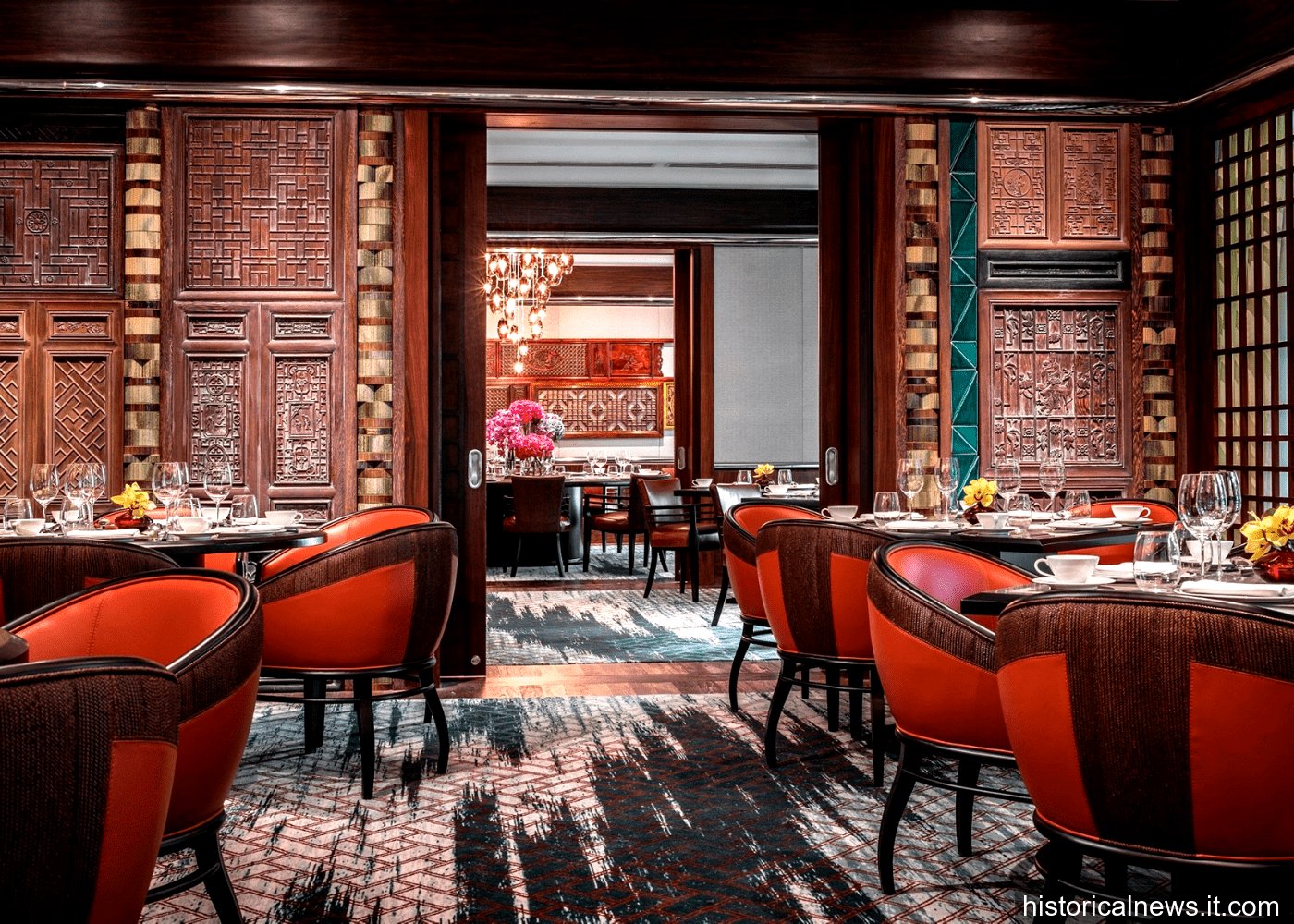
Uncovering Local Culinary Treasures: How to Search for Top Chinese Dining Options
Searching for high-quality dining experiences in your immediate area has become an art form, especially when craving rich, aromatic Asian cuisine. When you decide to look for the best chinese restaurant near me, modern digital tools offer unprecedented access to verified diner feedback, high-resolution imagery, and digitized menus. Utilizing geo-targeted reservation systems and local discovery platforms allows food enthusiasts to filter through hundreds of neighborhood locations instantly. Rather than settling for standard fast-food chains, leveraging smart location technology helps you find hidden culinary gems that specialize in time-honored cooking techniques, imported spices, and handmade specialty items crafted fresh daily.
To narrow down your search effectively, start by exploring real-time dining directories and neighborhood review collections. By checking discovering top-rated Chinese eateries online, you can immediately identify establishments that consistently earn high praise from local food critics and community members alike. Pay close attention to recent patron reviews that mention kitchen consistency, ingredient freshness, and authentic preparation methods. Verified customer photographs often tell a much clearer story than promotional menus alone, showing real portion sizes, vibrant stir-fry colors, and the precise texture of house-made noodle dishes or delicate dumpling wrappers.
Finding the right establishment also requires understanding the distinct dining landscapes of your city or suburb. Suburban strip malls, urban centers, and historic cultural districts often harbor vastly different styles of dining establishments. For instance, high-volume downtown destinations might focus on modern fusion or upscale lounge dining, whereas quiet neighborhood venues often execute family recipes refined over multiple generations. When searching for the best chinese restaurant near me, looking past flashy exterior signages can frequently lead you directly to authentic, family-owned kitchens where master chefs dedicate hours to brewing rich bone broths and roasting succulent meats.
Regional Chinese Cuisines: Beyond American-Chinese Takeout Classics
Chinese gastronomy is extraordinarily diverse, encompassing eight distinct regional traditions alongside numerous local sub-cuisines. When examining a venue’s offerings, identifying which region inspires the kitchen will significantly elevate your overall dining experience. Cantonese cuisine, originating from the Guangdong province, prioritizes ultra-fresh ingredients, delicate seasoning, and gentle cooking methods like steaming and braising. Standard Cantonese menus showcase delicate steamed fish topped with ginger and scallions, clear herbal soups, and exquisite Hong Kong-style barbecue featuring crispy roast pork bellies and sweet, glistening glaze char siu served over jasmine rice.
Conversely, if your palate craves fiery spices and complex aromatics, look for kitchens that specialize in Sichuan or Hunan culinary traditions. Sichuan cooking is famous worldwide for its signature usage of Sichuan peppercorns and dried chili peppers, producing a famous numbing-and-spicy flavor profile known as málà. Establishments rooted in these bold traditions serve comforting classics like mapo tofu, dry-fried green beans, cumin lamb, and deep-fried chicken studded with vibrant red chili pods. Shanghai cuisine offers yet another distinct profile, celebrated for its rich, slightly sweet sauces, caramelized braised pork belly, and iconic steamed soup dumplings containing rich broth alongside seasoned meat fillings.
Northern Chinese cookery relies far more heavily on wheat-based staples rather than rice, introducing diners to artisanal hand-pulled wheat noodles, pan-fried scallion pancakes, savory meat pies, and heart-warming beef noodle soups. Masters of Lanzhou-style noodles stretch dough by hand right before your eyes, creating custom noodle thicknesses ranging from razor-thin strands to wide, chewy ribbons. Understanding these regional variations makes finding the best chinese restaurant near me an exciting journey, allowing you to tailor your search based on specific regional craving—whether you desire bold chili oil, fragrant garlic sauces, or subtle steamed flavors.
Defining Features of Exceptional Chinese Restaurants
Several distinct hallmarks separate an average neighborhood takeout joint from a truly extraordinary culinary destination. One fundamental indicator of an elite kitchen is the concept of wok hei, translated literally as the “breath of the wok.” This unique, slightly smoky aroma and flavor profile can only be achieved by skilled chefs operating intense gas burners, expertly tossing fresh ingredients in heavy cast-iron woks at extreme temperatures. When vegetables retain a snappy crunch and stir-fried meats bear a light, flavorful sear without becoming greasy, you know the kitchen operates under master culinary guidance.
Another telltale sign of quality lies in the structure of the menu itself. While extensive menus featuring hundreds of combinations are common in North America, top-tier authentic restaurants usually highlight focused specialties that demonstrate kitchen expertise. Look for chalkboard specials written in native script, seasonal vegetable offerings like tender pea shoots or Chinese broccoli, and live seafood displays featuring active tanks for fish, lobster, or crab. A commitment to making dumplings, noodles, and sauces from scratch in-house—rather than relying on pre-packaged frozen supplies—guarantees superior flavor profiles and textural perfection that elevated diners actively seek out.
Atmosphere and operational efficiency also serve as strong indicators of culinary quality. A bustling dining room filled with multi-generational families and native speakers suggests high menu turnover, ensuring that ingredients are continually replenished and served at peak freshness. Quick, responsive service paired with a clean, vibrant environment reflects a management team dedicated to excellence. When assessing options for the best chinese restaurant near me, noticing these operational details helps ensure that your meal will be memorable, satisfying, and executed to the highest standards of safety and hospitality.
Western Favorites vs. Traditional Authenticity: Finding Your Balance
The landscape of Chinese food in the Western world features a fascinating harmony between comfortable American-Chinese staples and authentic regional delicacies. Beloved classics like sweet orange chicken, savory Mongolian beef, crispy egg rolls, and comforting wok-tossed chow mein have earned a permanent place in global food culture for good reason. These dishes emphasize bold sweet-and-savory balanced glazes, satisfying crispy textures, and rich soy-based gravies that offer immense comfort and familiarity to hungry diners after a demanding workday.
At the same time, adventurous modern diners are increasingly seeking out traditional recipes that celebrate complex spices, unique textural contrasts, and time-honored preparation methods. Modern Chinese menus frequently bridge this gap by showcasing innovative fusion concepts alongside traditional delicacies such as marinated duck neck, spicy pickled pig’s feet, braised beef tendon, and aromatic cold sesame jellyfish. Exploring these broader flavor profiles introduces your palate to tender textures and herbal undertones rarely encountered in standard westernized takeout boxes, broadening your appreciation for authentic East Asian culinary arts.
Choosing between traditional authenticity and classic comfort food does not have to be an all-or-nothing proposition. The most versatile dining destinations thoughtfully accommodate both preferences on a single, expansive menu. You can easily balance your dining table by combining familiar crowd-pleasers like pan-fried potstickers with traditional specialties like water-boiled beef in spicy chili broth or dry-pot lotus root. Exploring local culinary offerings allows you to enjoy familiar hearty comfort foods while discovering exceptional savory international comfort meat dishes that broaden your culinary horizons.
Dining Formats: Dim Sum, Hand-Pulled Noodle Shops, and Family Feasts
The venue format plays a major role in shaping your overall meal experience when dining out. Dim sum restaurants offer one of the most interactive and social dining styles available in the culinary world. Traditionally enjoyed during late morning or early afternoon hours alongside piping hot pots of jasmine or chrysanthemum tea, dim sum features small bamboo steamer baskets and small plates filled with savory items. Diners select small portions of shrimp har gow, pork siu mai, sticky rice wrapped in lotus leaves, pan-fried turnip cakes, and sweet baked barbecue pork buns directly from rolling pushcarts or custom check-box menus.
If you prefer focused, casual dining, modern noodle bars and specialized dumpling houses provide fast, satisfying meals centered around single signature techniques. These vibrant, fast-casual spots often feature open kitchen concepts where guests can watch chefs knead, roll, stretch, and fold fresh dough with incredible agility. Ordering a piping hot bowl of hand-pulled Lanzhou beef noodle soup or a bamboo steamer of delicate Shanghai soup dumplings (xiao long bao) delivers an intimate, product-focused dining experience that highlights fresh ingredients and immediate preparation above all else.
For major celebrations and communal weekend gatherings, traditional family-style banquet dining remains unrivaled. Centered around large round tables equipped with revolving glass Lazy Susans, these feasts encourage diners to share multiple large-format dishes collectively. Ordering whole roasted Peking duck served with thin steam pancakes, sweet plum sauce, and julienned cucumbers creates a festive environment. When searching for the best chinese restaurant near me for large groups, selecting venues equipped for communal sharing ensures everyone samples a wide variety of flavors, textures, and cooked specialties in one sitting.
Practical Tips for Reserving and Ordering from Top Chinese Eateries
Securing an extraordinary dining experience requires a bit of tactical planning, particularly when targeting highly rated establishments during peak dining hours. Top-rated dim sum parlors and famous dumpling houses frequently draw long lines on weekend mornings and weekend evenings. To minimize wait times, utilize online reservation platforms or join digital waitlists before leaving your house. If reservations are unavailable, arriving shortly before opening hours or planning your visit during off-peak times—such as late afternoons on weekdays—allows you to enjoy attentive service and relaxed kitchen timing.
When placing your order, do not hesitate to step outside your usual comfort zone by asking your server for kitchen recommendations or daily off-menu specials. Inquire about seasonal greens currently in stock, as fresh greens tossed with minced garlic offer a crisp, refreshing counterbalance to rich, savory meat dishes. Additionally, specify your preferred spice tolerance clearly; authentic Sichuan and Hunan kitchens construct spice levels using potent fresh chillies and red pepper oils that can easily overwhelm diners unaccustomed to true regional heat levels.
Finally, consider how different dishes travel if you are opting for takeout or delivery instead of dine-in service. Steamed items, pan-fried dumplings, and stir-fried noodle dishes like chow fun generally retain their ideal texture and flavor during transport remarkably well. Crispy deep-fried items like orange chicken or sweet-and-sour pork are best enjoyed immediately at the restaurant table to experience their maximum crunch. By thoughtfully selecting your order, checking diner feedback, and matching the venue style to your occasion, your quest for the best chinese restaurant near me will consistently reward you with unforgettable, mouthwatering meals.
