

The Culinary Legacy of Blutwurst: From Old-World Traditions to Local Plates
If you have ever caught yourself searching online for the best blutwurst near me, you are likely embarking on a rich culinary adventure rooted in centuries of European charcuterie traditions. Blutwurst, the iconic German blood sausage, represents one of the oldest and most revered forms of nose-to-tail cooking in human history. Originally crafted as a sustainable way to utilize every portion of livestock during autumn slaughters, this humble delicacy evolved into a gourmet staple enjoyed by rustic tavern patrons and fine-dining enthusiasts alike. Today, finding a local artisan who honors these centuries-old techniques requires a discerning eye, but the reward is a deeply comforting, richly seasoned, and meltingly tender sausage that carries the true spirit of traditional butcher craft.
Across Europe and the wider culinary world, blood sausages maintain an undeniable presence, appearing under various names and regional formats that highlight local ingredients and spices. While the British savor their hearty morning black pudding and the Spanish celebrate rice- or onion-stuffed morcilla, authentic German Blutwurst holds a unique position due to its delicate balance of pork blood, lush back fat, and signature aromatic spice blends. According to a comprehensive guide to traditional blood sausages, regional craft butchery continues to thrive across Germany, producing variations ranging from fresh, spreadable rolls to heavily smoked, firm links designed for pan-searing alongside hearty autumn vegetables and mashed potatoes.
As food culture experiences a massive resurgence in traditional preservation methods and nose-to-tail gastronomy, epicureans across North America and Europe are rediscovering the undeniable charm of this dark, savory specialty. Modern foodies are moving away from mass-produced meat products in favor of small-batch charcuterie boards, heritage butcher shops, and specialty international delicatessens. Whether you are seeking a traditional German butcher shop that cures its meats on-site or a neighborhood bistro featuring modern twists on classical European cuisine, understanding the history, preparation, and flavor profiles of blood sausage is the key to discovering the absolute finest local offerings available near you.
What Makes Authentic German Blutwurst Truly Exceptional?
To truly appreciate the incredible flavors of high-quality Blutwurst, one must understand the meticulous craft that goes into making an authentic log. The foundation of classic German blood sausage relies on high-quality pork blood, tender rendered fatback, lean diced pork meat, and perfectly caramelized fresh onions. Unlike modern commercial sausages loaded with synthetic binders and filler ingredients, traditional butchers rely on the natural binding properties of blood and gelatinous pork cuts cooked at carefully controlled temperatures. Spice profiles remain a closely guarded secret among master butchers, though most traditional recipes lean heavily on warm, earthy seasonings like marjoram, nutmeg, ground allspice, thyme, black pepper, and occasionally clove.
When searching for the best blutwurst near me, understanding how traditional dishes are served can elevate your dining experience from ordinary to extraordinary. In classical German cuisine, Blutwurst is presented in a variety of regional styles, the most famous being the legendary Rhine district dish known as Himmel und Erde (Heaven and Earth). This timeless comfort food pairs pan-seared slices of warm Blutwurst with smooth mashed potatoes (representing the earth) and sweet, tangy stewed applesauce (representing the sky). The high acidity and natural sweetness of the apples cut through the rich, fatty profile of the dark sausage, creating a harmonious interplay of flavors that showcases why this simple ingredient has stood the test of time.
Beyond its remarkable taste profile, authentic Blutwurst is a powerhouse of essential nutrients, offering a dense source of easily absorbable iron, high-quality protein, zinc, and vital B-complex vitamins. Gourmet food enthusiasts and health-conscious eaters alike are increasingly recognizing the health benefits of nutrient-dense organ meats and blood products when prepared by certified craft butchers. Finding an authentic producer guarantees that you receive a wholesome product made without artificial preservatives, excess sodium nitrate, or filler starches, ensuring an unforgettable dining experience that nourishes the body while satisfying the palate.
World-Class Hotspots: From Berlin’s Artisans to Frankfurt’s Apple Wine Taverns
No discussion of premier blood sausage is complete without highlighting the legendary European centers where master butchers have perfected the art over centuries. In Germany’s bustling capital, the famed Blutwunstmanufaktur stands as a monumental sanctuary for charcuterie lovers, producing over sixty distinct varieties of homemade sausages. Their flagship offering, the celebrated Berliner Blutwurst, is made fresh daily from prime pork blood, lean pork cuts, rich fat, and sweet onions. This masterpiece has earned international acclaim for its velvety texture, aromatic herbal notes, and unwavering commitment to traditional small-batch butcher techniques that have remained unchanged for generations.
Further south in the historic city of Frankfurt, Hessen, blood sausage culture is deeply interwoven with the city’s legendary apple wine (Apfelwein) taverns. Renowned establishments like Atschel and Zum Gemalten Haus serve sizzling skillets of freshly fried blood sausage accompanied by sauerkraut, warm bread, and cold earthenware jugs of tart cider. Local institutions like Metzgerei Kempf supply these historic taverns with impeccably seasoned chitterlings and sausages, proving that regional terroir and old-world butchery create an irreplaceable dining atmosphere where food history comes alive on every plate.
For American charcuterie lovers actively searching for the best blutwurst near me, finding specialized European import shops or heritage German delicatessens that mirror these legendary Berlin and Frankfurt butcher traditions is the ultimate goal. Fortunately, many historic immigrant enclaves across major metropolitan areas host traditional meat markets that still practice authentic European curing methods. By seeking out local establishments that emulate the gold standards set by European masters, diners can experience the true, uncompromised flavor of classical Blutwurst right in their own neighborhoods.
Finding Global Blood Sausage Styles in Local Neighborhoods
Locating the best blutwurst near me often comes down to identifying neighborhood butcher shops and diverse ethnic enclaves that celebrate global sausage traditions. In bustling urban hubs like New York City, particularly in vibrant neighborhoods like Washington Heights and Manhattan, blood sausage culture thrives under many different culinary banners. Hispanic markets, Latin American lechoneras, and Caribbean cuchifritos serve crispy, fragrant morcilla packed with rice, garlic, cilantro, and chili peppers, at iconic spots like 188 Bakery Cuchifritos, El Nuevo Bohio Lechonera, and La Rosa Foods.
Simultaneously, Asian and European communities bring their own iconic iterations to the local marketplace. Korean restaurants such as Busan Gukbap and Sa Rit Gol offer steaming pots of sundae (blood sausage stuffed with sweet potato glass noodles and barley), providing a delightfully chewy and comforting contrast to European styles. Italian salumerias like Pace’s Italian Market and local butcher shops carry cured biroldo or traditional blood puddings, demonstrating that nearly every major culinary culture has developed its own cherished interpretation of blood sausage crafted with localized herbs and grain fillers.
To locate these hidden gems in your immediate area, food lovers should look beyond big-box supermarket meat counters and explore specialized ethnic grocers, farmers’ markets, and family-owned charcuteries. Engaging with local butchers directly and asking about their production days can grant you access to ultra-fresh, small-batch blood sausages that are hot out of the smoker. By widening your search to include international variants like morcilla, sundae, and boudin noir alongside traditional German Blutwurst, you unlock a diverse world of deep, comforting flavors waiting to be discovered nearby.
Culinary Techniques: How to Cook and Serve Blutwurst Like a Master Chef
Once you have successfully tracked down the best blutwurst near me through a local German delicatessen or specialty butcher, knowing how to properly prepare it at home is essential to honoring the craft. Fresh or soft Blutwurst requires gentle handling because high heat can cause the natural casing to burst, releasing the rich interior before it forms a delightful crust. To pan-fry sliced Blutwurst perfectly, dust thick slices lightly with all-purpose flour, heat a generous knob of unsalted butter or pork lard in a heavy cast-iron skillet over medium heat, and sear each side for just two to three minutes until a crisp, caramelized crust develops while the center remains warm and silky smooth.
Pairing your cooked Blutwurst with complementary side dishes transforms a simple meal into an unforgettable feast fit for a king. Classic accompaniments include buttery mashed potatoes, braised red cabbage with apples, tart sauerkraut simmered with juniper berries, and caramelized sweet onions. For a beverage pairing that cuts through the intense richness of the sausage, choose a crisp German Riesling, an unfiltered Kellerbier, a dry apple cider, or a bold Belgian dubbel. The bright acidity and effervescence of these drinks balance the rich fat and deep iron notes of the sausage seamlessly.
If you enjoy expanding your culinary horizons and exploring top-tier regional dining options, you might also like checking out where to sample authentic global flavors by discovering the best Chinese restaurants near me for expertly crafted dim sum, hand-pulled noodles, and roasted meats. Incorporating blood sausage into diverse cooking styles—such as crumbling fried Blutwurst over warm grain bowls, pairing it with poached eggs on sourdough toast, or folding it into rustic potato hash—demonstrates just how versatile this age-old ingredient can be in a modern kitchen setup.
How to Choose the Finest Charcuterie and Support Local Artisans
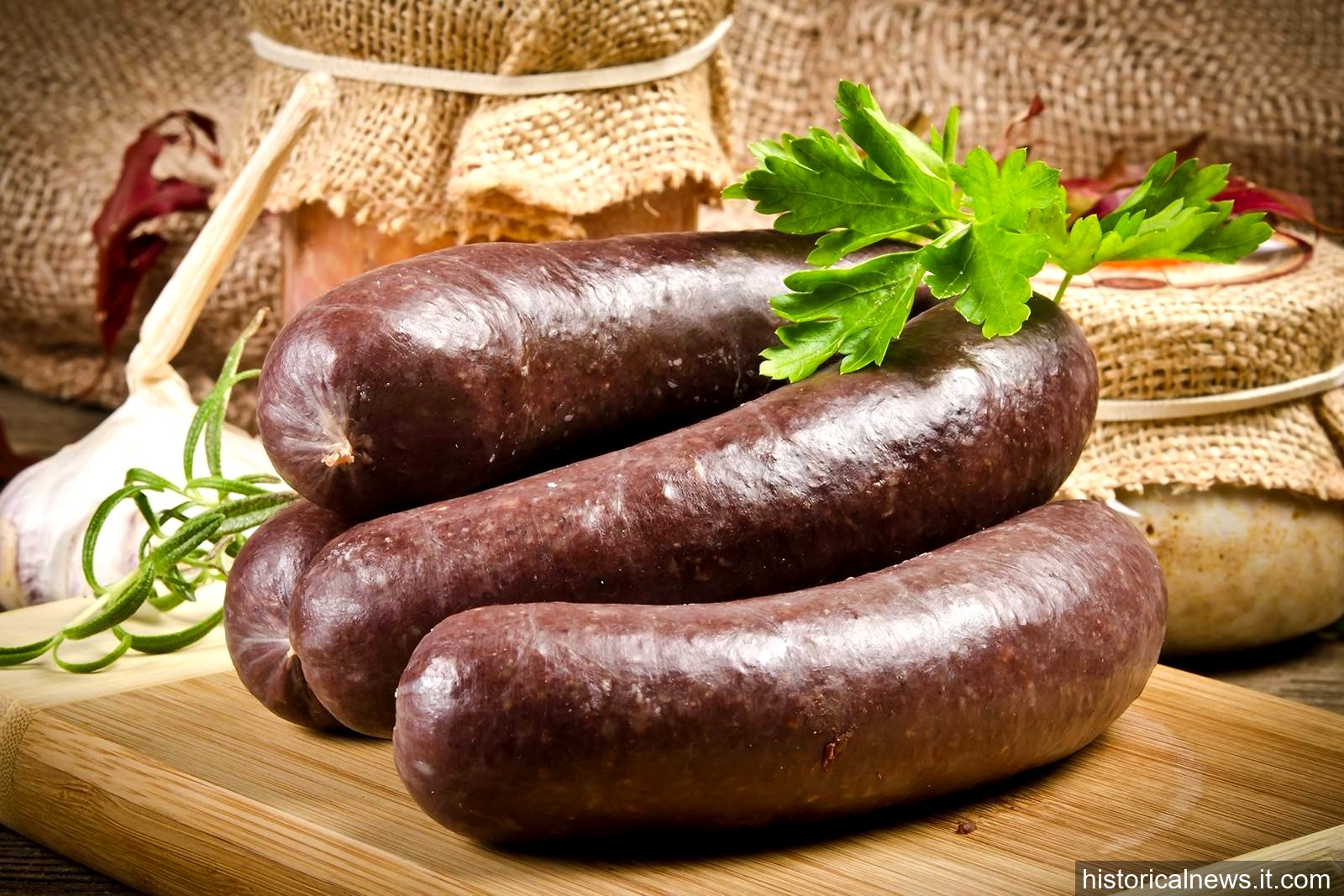
Knowing what to look for when shopping for the best blutwurst near me ensures that every penny spent delivers exceptional taste and superior quality. When evaluating fresh blood sausage at a butcher counter, inspect the casing and overall color; high-quality fresh Blutwurst should display a deep, rich mahogany or dark burgundy hue with evenly distributed specks of white fatback and tender meat cubes. Avoid sausages that appear dry, cracked, or excessively dark, as these are indicators of improper storage, over-smoking, or old inventory that has lost its delicate moisture content.
Furthermore, do not hesitate to build a friendly rapport with your local butcher or deli owner by asking about their sourcing, ingredient selections, and smoking processes. A passionate artisan will eagerly explain whether their Blutwurst uses fresh local farm ingredients, natural hog casings, and authentic hickory or beechwood smoke. Buying directly from independent butchers not only guarantees a far fresher product than pre-packaged grocery store alternatives, but it also directly supports local agricultural supply chains and helps preserve vanishing culinary skills within your local community.
Ultimately, hunting down top-tier blood sausage is a deeply satisfying journey that connects modern diners with global heritage and artisan craft. Whether you savor it simply pan-fried alongside tart stewed apples on a chilly evening, sample exotic regional morcilla variations at a neighborhood food festival, or enjoy authentic Berliner-style recipes from a neighborhood German deli, great Blutwurst is an unmistakable culinary masterwork. Take the time to explore your local markets, seek out master butchers, and savor every rich, fragrant bite of this timeless charcuterie classic.
